

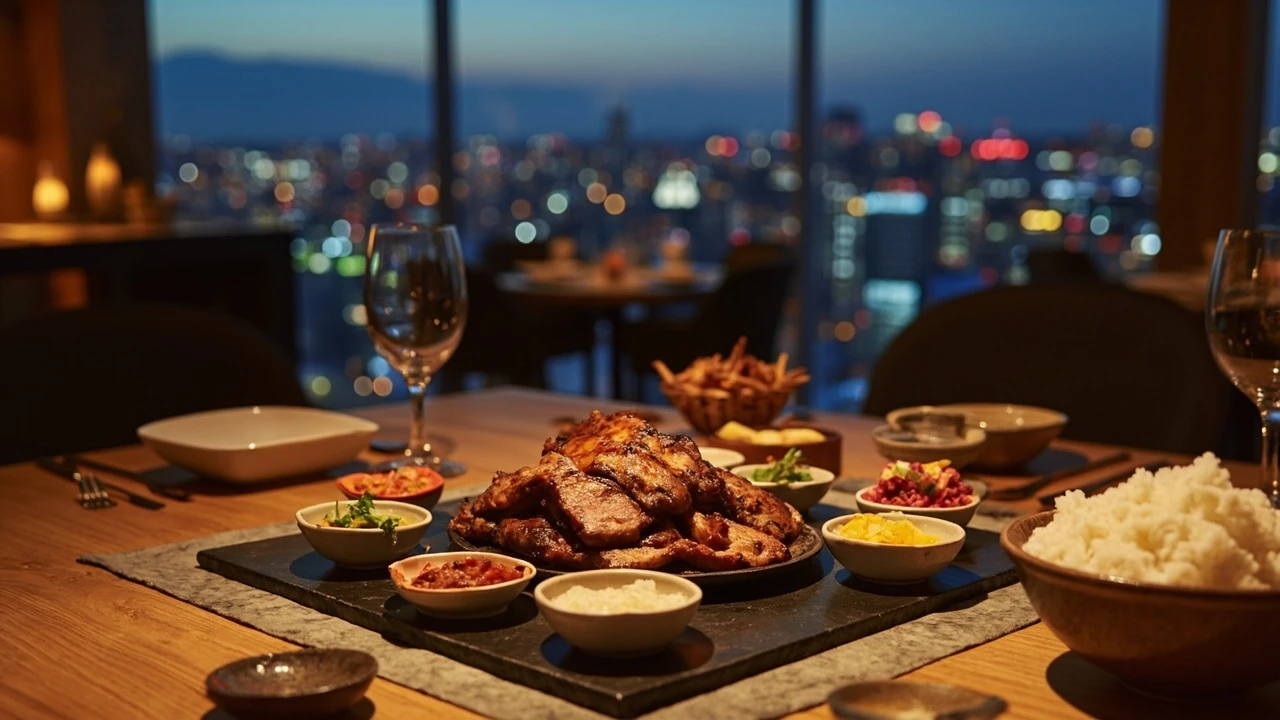
Best restaurants in Seoul for every kind of traveler
Choosing a restaurant in Seoul can be surprisingly difficult. The city has thousands of dining rooms, from tiny neighborhood kitchens serving kimchi fried rice to tasting counters where a chef changes the menu every few months. The best restaurants in Seoul are not simply the most famous or the most expensive; they depend on what you want to eat, how much time you have, and whether you prefer a relaxed meal or a formal progression of dishes.
This guide helps you narrow the decision without pretending that one list can speak for every diner. It covers different cooking styles, useful neighborhoods, ordering strategies, and the details that matter when you are visiting from outside South Korea. You will find both celebratory choices and straightforward places to stop for lunch between sightseeing. Rather than promising that every restaurant will suit everyone, the aim is to help you choose a meal that fits the occasion.
Start by choosing the kind of meal you want
Before comparing names, decide what would make the meal feel successful. A first-time visitor may want a recognizable introduction to Korean flavors, while a Seoul resident may already have strong opinions about barbecue, stews, noodles, and neighborhood dining. Some travelers want a meal that explains the country’s culinary range; others simply need a good table near their hotel.
- For a broad introduction: Choose a restaurant that serves Korean dishes with several textures and cooking methods, such as grilled meat, rice, vegetables, and a soup or stew.
- For a celebratory dinner: Look for a polished dining room, a reservation, and a menu with multiple courses.
- For a quick, satisfying meal: Favor a casual place with a focused menu, efficient service, and clear ordering.
- For culinary experimentation: Consider a tasting menu or a chef-led counter where the kitchen’s point of view can guide the meal.
- For dietary needs: Contact the restaurant before booking. Menus and kitchen practices can change, and a dish described as vegetarian may still involve fish sauce, broth, or other shared preparation areas.
| What you want | Best style to search for | Plan for |
|---|---|---|
| A first taste of Korean cuisine | Grill, bibimbap, jeon, or a traditional-style set meal | Allow 60–90 minutes |
| A formal dining experience | Modern tasting menu or chef’s counter | Reserve well ahead |
| Late-night food | Casual Korean barbecue, noodles, or a pocha-style restaurant | Expect a lively atmosphere |
| Convenience near a hotel | Focused counter service or a neighborhood restaurant | Check travel time during rush hour |
| Vegetarian or vegan food | Dedicated plant-based kitchen with advance confirmation recommended | Explain restrictions clearly when reserving |
For a first visit, choose one famous Korean meal
Seoul’s food culture is best understood through a few anchors. Korean barbecue gives you the experience of cooking at the table and choosing cuts that change as they cook. Bibimbap places a range of vegetables, rice, egg, and seasoned meat or vegetables in one bowl. Jeon combines battered ingredients with a savory pancake format, while naengmyeon offers a chilled, brothy noodle dish that is especially associated with warmer weather. None of these dishes is automatically the best choice for every visitor, but each provides a clear point of entry.
Look for restaurants where the food is cooked to order and the menu explains regional or ingredient differences. A tourist-oriented dining room may offer English descriptions, while a busy neighborhood restaurant may have a shorter menu written only in Korean. Both can be worthwhile. The best restaurants in Seoul for a visitor are not always the ones with the most polished English explanations; they are the ones where you can understand what will arrive and why it is worth ordering.
Be careful with dishes that sound unfamiliar. Korean menus often use repeated words that describe preparation rather than a single dish: jeon is a pancake-style preparation, jokbal refers to braised meat in a rich sauce, and jeongol is a hot pot. If you are unsure, point to the ingredient or preparation and ask the server for a recommendation. A photo can help, but a short explanation is usually more reliable.
Modern Korean dining is the city’s most distinctive culinary choice
Among the best restaurants in Seoul, modern Korean restaurants offer a particularly compelling way to understand how the city’s culinary traditions are changing. The term does not mean one fixed style. Some kitchens preserve fermentation and older techniques while changing the presentation; others combine Korean flavors with French, Japanese, Chinese, or American ideas. The result can be highly polished, but the strongest meals usually retain a clear connection to local ingredients and tastes.
For a reservation, think about the chef’s background, the breadth of the tasting menu, and the balance between familiar and unfamiliar dishes. A good tasting menu should not feel like a list of imported trends. It should show restraint, good timing, and a reason for each course. Ask whether the menu is fixed, whether there is an optional pairing, and whether substitutions can accommodate allergies.
One example of Seoul’s fine-dining evolution is Soigné, a restaurant known for contemporary cuisine that opened in 2015 and has received Michelin recognition in recent years. Its approach illustrates how a Seoul kitchen can draw on Korean and international culinary traditions while retaining a distinct point of view. The restaurant’s chef, Jun Lee, has also worked internationally, and the menu reportedly changes every three months. That kind of changing menu rewards checking current information before booking rather than relying on an old recommendation. You can read more about Soigné’s background and culinary approach before deciding whether its style matches your interests.
Fine dining does not automatically mean formal manners or an intimidating room. Many excellent restaurants in Seoul offer counter seats where you watch the kitchen work. Counter seats can be a good choice for solo travelers, but they usually require more attention to the meal’s timing. A table is often easier for families or for visitors who want to follow the pace of their companions.
Compare Seoul’s neighborhoods before you reserve
Location can matter as much as the menu. A restaurant may be excellent but inconvenient if it sits on the wrong side of the city, especially during dinner hours. Decide where you will already be spending time, then look for restaurants within a manageable travel radius. Seoul’s subway and taxi systems make cross-city travel possible, but a short ride can become a long journey when traffic is heavy.
| Area | Dining atmosphere | Good for |
|---|---|---|
| Hannam and Itaewon | A mix of polished dining rooms, casual international kitchens, and neighborhood spots | Visitors who want variety and evening options |
| Gangnam and Seocho | Modern restaurants, private dining, and business-oriented service | Tasting menus, special dinners, and efficient transport links |
| Jongno and Gyeongbokgung area | Traditional ingredients, casual eateries, and restaurants near major sights | Combining food with palace, museum, and old-city sightseeing |
| Hongdae and Yeonnam | Independent kitchens, late-night dining, and a younger neighborhood feel | Casual meals, variety, and a relaxed pace |
| Mapo and Seongsu | Creative dining, neighborhood restaurants, and a mix of old and new storefronts | Exploring on foot and combining food with other activities |
Walking is an excellent way to compare neighborhoods, particularly around areas such as Seongsu or Yeonnam, where a short stroll can reveal several different styles of cooking. For a broader perspective on how a city reveals itself through movement rather than a checklist, this guide to Tunis on foot offers a useful reminder that the best dining decisions often begin with understanding a place’s geography. Seoul’s pace is different, but the principle is useful: check the surrounding blocks before committing to a long trip.
How to judge a fine-dining or tasting-menu restaurant
When you compare the best restaurants in Seoul, do not rely only on awards or social-media photographs. Awards can identify a restaurant worth researching, but they do not tell you whether the service style, price range, menu length, and location will suit your trip. Start with the information a restaurant publishes and the practical details it confirms when you reserve.
- Menu format: Find out whether the meal is prix fixe, à la carte, counter-only, or partly guided.
- Kitchen focus: Look for a defined idea rather than a long list of unrelated dishes.
- Ingredient sourcing: Seasonal ingredients and Korean products can matter, but ask how the kitchen uses them.
- Service pace: Tasting menus can take two to three hours. Check whether that time suits your evening plans.
- Reservation practicality: Confirm the cancellation policy, dietary accommodation, and whether the restaurant requires a deposit.
- Location details: Verify the entrance, floor, and neighborhood because large complexes can be difficult to navigate.
The same care applies to less formal restaurants. A tiny counter with six seats may offer a precise, excellent meal, but it may not accept large groups or complicated requests. A spacious dining room may be easier for families, yet the kitchen’s focus could be less distinctive. Choose the format that matches your party and expectations, not just the most photogenic room.
Casual dining, barbecue, and late-night Seoul
Not every memorable meal needs to be the most technically ambitious one. Seoul is a city where a well-made bowl of noodles, a plate of crisp pancakes, or a late bowl of soup can be more useful than a long tasting menu. Casual dining also gives you a better view of how people eat day to day.
For Korean barbecue, check whether the restaurant provides enough staff to explain the grill and help cook the meat. The quality of the meat matters, but so does the side dishes, the sauce selection, and the ability to order a manageable portion. You can begin with one grill, add rice and vegetables, and order another only if needed.
For stews and hot pots, look for clear descriptions of the broth, meat, spice level, and serving method. Some pots are designed for sharing and others arrive as a single serving. This distinction can prevent a common mistake: ordering too much because the menu sounds impressive. Ask whether the dish is meant for one or for several people.
Late-night dining deserves its own category. Seoul’s evening food culture includes barbecue, fried chicken, noodles, Korean-Chinese dishes, and pocha, where fried food is accompanied by a drink. These places range from casual to unexpectedly serious. If you plan to eat late, check the last order time and your station’s closing time, because restaurants may stop taking orders before the kitchen closes.
If you enjoy discovering food through streets and local routines rather than reservations, the broader travel perspective in Heartland America illustrates why a famous destination is often only one part of a satisfying trip. Seoul works in the same way: one exceptional meal is worth having, but several smaller stops can reveal more about how the city actually moves.
Make a reservation without overplanning the trip
The most useful reservation strategy is to book one memorable meal and leave the rest flexible. If you reserve three elaborate dinners in a week, you may spend more time managing schedules than enjoying Seoul. Choose one restaurant that matches your highest priority, then build other meals around neighborhoods, markets, or spontaneous discoveries.
For a special dinner, reserve as early as the restaurant permits and provide your dietary needs clearly. If you are traveling with children, ask about a family-friendly seating arrangement. If one person has mobility needs, request a table that is easy to reach and explain whether there are stairs, elevators, or a separate entrance.
Use a simple checklist before the day of the meal:
- Confirm the reservation time, party size, and restaurant address in Korean as well as English.
- Check the current menu and whether the restaurant serves lunch, dinner, or both.
- Confirm dietary restrictions when booking rather than assuming the menu is flexible.
- Travel with a buffer for subway delays, traffic, and the time needed to find the entrance.
- Bring a small payment backup and verify the restaurant’s accepted payment methods through its official channel.
Do not rely on an old menu image, a translated review, or a third-party map pin to confirm current hours. These details change. The restaurant’s current website, verified booking platform, or a direct phone call is a better source when the stakes are high, such as a tasting menu with fixed seating or a private dining room.
How to compare your shortlist
After collecting names, compare restaurants in the same order every time. Start with the meal itself, then add service, location, and convenience. A table helps prevent a fashionable name or an attractive photograph from deciding the entire trip.
| Question | Why it matters | What to verify |
|---|---|---|
| Does the food match my interest? | It determines whether you will feel satisfied, not merely impressed | Current menu, cooking style, and signature dishes |
| Is the format comfortable? | Counter seats, shared tables, and tasting menus create different rhythms | Seating, group size, and course length |
| Can I reach it easily? | A long journey can shorten the meal or add stress | Nearest station, entrance, and travel time |
| Does it handle my requirements? | Dietary, accessibility, and celebration needs may require advance planning | Direct confirmation from the restaurant |
| Is the price understandable? | Set menus, pairings, and extra side dishes affect the total | Menu price, optional additions, and service charges |
| Would I return without the hype? | It helps separate personal fit from reputation | Recent specialist reviews plus your own priorities |
A good shortlist might include one modern Korean tasting menu, one relaxed barbecue dinner, and one neighborhood restaurant you can reach without a complicated transfer. Add a casual lunch stand or market stop for variety. This balance gives you a more useful Seoul itinerary than a page of names chosen only because they appear on a ranked list.
Frequently asked questions
What are the best restaurants in Seoul for a first-time visitor?
Choose a restaurant that serves a clear introduction to Korean cooking, such as a well-run barbecue, a set meal with several small dishes, or a modern Korean tasting menu. The best choice depends on your appetite, budget, and interest in formal service. A single exceptional dinner is usually more rewarding than trying to schedule a famous restaurant every night.
Do I need to reserve restaurants in Seoul?
Yes, reserve for tasting menus, special-occasion dinners, popular counters, and restaurants with limited seating. Casual eateries may not require a reservation, although a short wait can happen during peak hours. Check the restaurant’s current policy rather than relying on an old travel article.
What is the best type of Korean food to try first in Seoul?
Barbecue is an accessible choice because the cooking happens at the table and you can try several cuts. Bibimbap is a good option when you want one composed dish with rice, vegetables, egg, and seasoning. Jeon, naengmyeon, stews, and tteokbokki each offer a different texture and flavor profile. Order one or two dishes and share where it makes sense.
Are English menus available at Seoul restaurants?
Many restaurants in tourist-heavy districts and higher-end dining rooms offer English menus or staff who can explain dishes. Smaller neighborhood places may have Korean-only menus. Photos and translation apps can help with ordering, but it is reasonable to ask the server for a recommendation and to point out dietary requirements before ordering.
How much time should I allow for a tasting-menu dinner?
Allow more time than for a conventional restaurant dinner, often around two to three hours depending on the number of courses, pacing, and whether you order pairings. If you have a flight, train, or performance afterward, leave a generous buffer. A counter meal may follow a tighter schedule than a seated tasting menu.
What is a good Seoul restaurant for a special occasion?
Look for a polished restaurant with a menu that matches the celebration and a reservation system that confirms the occasion. A modern Korean dining room can provide a sense of place, while an international fine-dining restaurant may suit a formal business dinner. Confirm whether the restaurant offers a tasting menu, à la carte choices, and appropriate seating before booking.
Can I find vegetarian and vegan food in Seoul?
Vegetarian and vegan options are available, but the level of planning varies by restaurant. Korean dishes can contain meat broth, fish sauce, fermented anchovy, or hidden animal products, so do not assume every vegetable dish is plant-based. Tell the restaurant about your requirements when reserving and ask whether the kitchen can make suitable substitutions.
Is it better to eat at a famous restaurant or a neighborhood place?
Both can be worthwhile. A famous restaurant may offer a distinctive chef’s perspective, a tasting menu, or a notable view, and it often requires more advance planning. A neighborhood place is easier to reach, less formal, and can provide a clearer sense of everyday Seoul food. The best itinerary usually includes at least one of each.
What should I do if a restaurant is closed when I visit?
Check the current information shortly before you go, especially for holidays, temporary closures, and seasonal hours. Move the meal to another neighborhood or choose a nearby alternative with a similar style. If a specific restaurant is central to your trip, contact it directly and confirm the date, time, and any changes before making other arrangements.





Leave a Reply