
Venezuela tourism starts with a safety-first decision
A trip to Venezuela can be rewarding, but it demands more active planning than a routine Caribbean vacation. Entry rules, regional security, transportation, payment access, and infrastructure can vary substantially, so the first decision is not which attraction to see—it is whether the trip can be organized safely and with realistic expectations.
For U.S. travelers, Venezuela tourism should be treated as a high-uncertainty, high-reward destination. The country contains exceptional natural landscapes, colonial towns, mountain scenery, Caribbean beaches, and distinctive food and music. At the same time, travelers may encounter inconsistent services, changing transportation schedules, cash-handling complications, and security conditions that differ by city and region.
This guide explains how to assess the decision, compare the main visitor regions, prepare for entry requirements, organize money and transportation, and build a trip that does not depend on optimistic assumptions. It does not replace current information from the U.S. Department of State, Venezuelan authorities, your insurer, or the consular services of your country. Those sources should be checked immediately before departure and again during the final week before travel.
Is Venezuela safe for U.S. travelers?
There is no single safety answer for the entire country. Conditions can change quickly, and the experience of a short visit in one area does not guarantee what a traveler will encounter elsewhere. A responsible assessment considers the specific destination, the route from the airport or border crossing, accommodation, transportation method, local advice, and the traveler’s ability to move or leave without relying on an unverified assumption.
The U.S. State Department maintains a Venezuela travel advisory, but travelers should read the current version rather than rely on an older article or a summary. The advisory may include country-wide recommendations as well as state-by-state and regional distinctions. Separate guidance may also apply to detention or kidnapping risks, crime, civil unrest, airport and border procedures, health services, and interactions with local authorities.
For practical planning, treat the following as questions to resolve rather than a checklist of assumed safety measures:
- Where exactly will you go? The capital, the Andes, the Caribbean coast, and the southern national parks should not be treated as interchangeable destinations.
- How will you arrive and leave? Confirm the airport, border crossing, local transfer, pickup location, and contingency plan before paying for a long-distance journey.
- Who can provide local support? Your hotel, tour operator, employer, or trusted local contact should be able to confirm current conditions for the area you plan to visit.
- What are the emergency procedures? Know the locally appropriate emergency number, the address of your accommodation, the nearest suitable clinic, and how you will contact someone outside the country.
- Can you leave? A ticket that can be changed or canceled may be more useful than the cheapest nonrefundable fare.
Do not rely on photographs, old forum posts, or a guide’s assurance that “nothing happens.” Ask for recent, location-specific information and compare it with official advisories. If responsible sources cannot provide a clear picture, the safest decision may be to postpone or select another destination.
Crime, arbitrary detention, impaired police practices, and other risks have been reported in Venezuela. The exact risk depends on where a traveler is, the circumstances, and events at the time of travel. Avoid confrontations, do not carry valuables openly, use licensed or trusted transportation, and remain alert when changing locations or using public transportation. Staying in well-reviewed accommodation and limiting unplanned movement can reduce avoidable complications, but none of these steps eliminates risk.
Which Venezuelan regions are best suited to different travelers?
Destination choice is one of the most important decisions in Venezuela tourism. The distance between Caracas, the Andes, offshore islands, and the southern savannas is substantial, and combining several regions can consume a large share of the itinerary in transit. Travelers are usually better served by choosing one primary region and adding a second only when the schedule and local logistics support it.
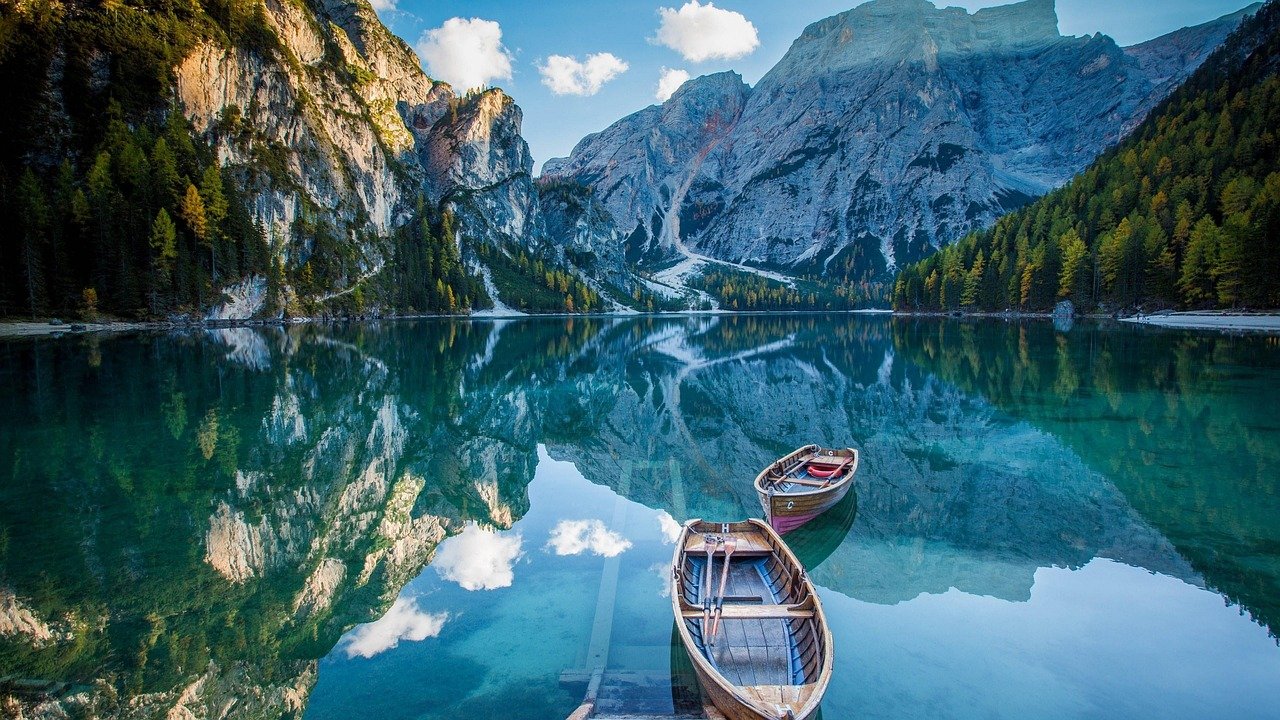
Wikipedia’s Venezuela destination overview describes Mérida, Margarita, Caracas, Los Roques, Morrocoy, and Canaima among the country’s prominent visitor areas. It also emphasizes the variety of coastlines, mountains, wildlife, cultural sites, and tropical landscapes that distinguish the country. That variety is real, but choosing between them requires matching the place to your priorities rather than attempting to see everything.
| Region | Best suited for | Planning considerations |
|---|---|---|
| Caracas and nearby El Ávila | First-time travelers seeking urban access, museums, dining, and a short mountain excursion | Allow for local traffic, verify neighborhood suitability, and plan outdoor access separately from city lodging. |
| Mérida and the Venezuelan Andes | Hikers, mountain scenery, cool-weather travelers, and visitors interested in cable cars and páramo landscapes | Altitude can affect travelers unaccustomed to high elevation. Confirm transport, weather, and attraction access before the visit. |
| Los Roques | Travelers focused on beaches, boating, and a slower island setting | Boat transfers, weather, and island accommodation should be confirmed as a coordinated package rather than assumed. |
| Margarita | Beach visitors and travelers seeking easier access to the southern Caribbean coast | Check the ferry or flight connection, arrival point, and availability of the specific beach or excursion you want. |
| Canaima and the Gran Sabana | Nature travelers prioritizing tepuis, rivers, waterfalls, and remote scenery | Remote travel demands more advance coordination, suitable vehicles, weather awareness, and a conservative schedule. |
| Morrocoy | Visitors interested in coastal scenery, islands, and marine activities | Confirm access, boating arrangements, weather, and departure points. Build extra time for conditions affecting the return journey. |
Choose Caracas for a shorter, more structured introduction
Caracas offers museums, restaurants, cultural events, and access to the Avila mountain area, making it a practical base for travelers who want a shorter itinerary or need to combine a city visit with business or family connections. However, urban travel time can be unpredictable. Accommodation should be selected for the specific neighborhoods and routes you need rather than for a generic claim that an area is convenient.
Choose Mérida for altitude and the Andes
Mérida is Venezuela’s best-known mountain city and a major center for cable cars, hiking, museums, hot springs, and access to highland scenery. It works well for travelers who want outdoor experiences and can adjust to elevation. The region’s mountain weather can change quickly, and some routes or activities should not be treated as routine urban outings.
Choose Los Roques for beaches rather than a sightseeing checklist
Los Roques is primarily an island and boating destination. Its value lies in the pace of the stay: beaches, water activities, restaurants, and time on the water. If those are your priorities, the extra travel involved may be worthwhile. If you want a dense schedule of museums, cities, and historical sites, an island stay may not provide the best fit.
Choose Canaima for scenery, not convenience
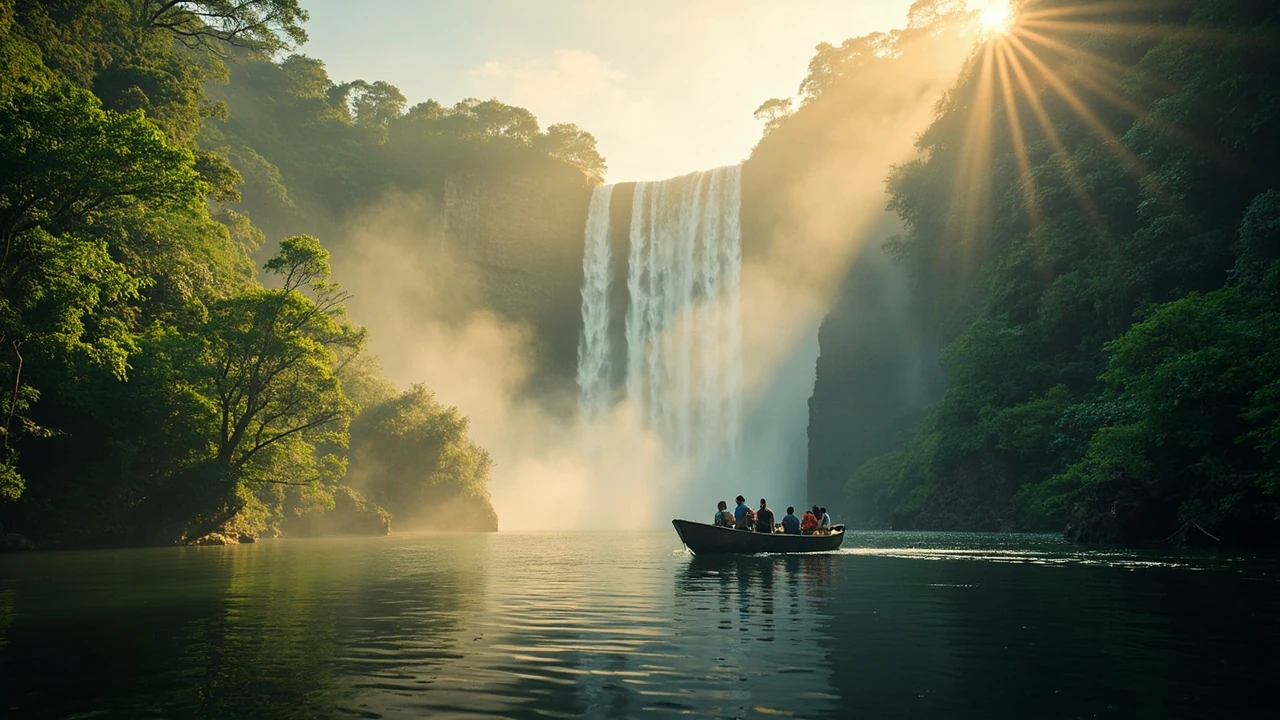
Canaima National Park is defined by immense tepuis, rivers, waterfalls, and remote landscapes. A visit requires advance organization and should account for the distance from major arrival points. Travelers who prize scenery and accept fewer last-minute choices may find it exceptional. Those who need frequent medical support, flexible scheduling, or abundant transport options should think carefully before selecting it.
What entry documents and requirements should U.S. travelers verify?
Entry requirements are not the place to improvise. Rules may differ depending on a traveler’s citizenship, passport, purpose of visit, route, and the date of entry. Because the relevant authorities can change procedures, confirm the current requirements with the nearest Venezuelan embassy or consulate and with an official source for your passport before buying nonrefundable tickets.
At the same time, use a simple document checklist so that a new question does not turn into a last-minute crisis. The exact rules must come from official sources, but a well-organized trip should be able to answer the following:
| Preparation | What to confirm | Why it matters |
|---|---|---|
| Passport | Validity period, condition, blank-page requirements, and whether the document must remain valid for a stated period after entry | An otherwise valid passport may still be refused if it does not meet the rule in force on the travel date. |
| Entry permission | Whether a visa, visa exemption, or another entry document applies to your nationality and purpose of travel | Tourist status and other categories can carry different documentation requirements. |
| Onward and return travel | Whether you need a confirmed onward ticket, return ticket, or accommodation evidence | Immigration or airline staff may ask how you will leave the country. |
| Travel insurance | Coverage for the exact regions, activities, medical evacuation, and trip interruption | A policy that excludes a destination or activity may offer little practical protection. |
| Minor travel | Consent documents, custody evidence, and any nationality-specific requirements | Requirements can be strict when a child travels with one parent or with adults who are not their legal guardians. |
| Contact records | Hotel confirmation, local operator details, emergency contacts, and a copy of key documents | Stored and offline copies help when connectivity or local systems are unavailable. |
Do not rely on a blog post, travel forum, airline agent, or tour representative as the final authority on entry rules. Obtain current instructions from official government or consular channels and retain evidence of what you checked. If an official source is unavailable for your nationality or route, reconsider that route rather than assuming approval.
How should travelers organize money, payments, and transportation?
Cash availability and card acceptance can vary by location, establishment, and period. Venezuela For additional context, tourism should therefore be planned around backups instead of one payment method. Before leaving the United States, ask your bank what it currently does with Venezuela-based card transactions, what fees may apply, and what happens if a card is blocked.
Bring funds in a form you are legally permitted to carry and exchange. Some travelers may need U.S. dollars or another hard currency, but the amount and form must reflect current official requirements and practical availability. Carry only what is needed for the initial arrival period rather than the entire trip budget. Keep payment instruments, identification, emergency money, and documents in separate secure locations.
- Keep enough cash for arrival, the first night, a meal, and immediate transportation before confirming that a payment method works.
- Use banks or established exchange services only when their current legitimacy and availability are verified locally.
- Carry a second payment method, but do not treat it as dependable until it has been tested.
- Record transaction confirmations and keep receipts for expenses that may be needed for a reimbursement claim.
- Arrange local transport before the first long transfer rather than assuming a ride will be available at the destination.
Transportation is often the largest source of itinerary uncertainty. Long-distance buses, domestic flights, shared cars, boats, and airport transfers operate in different markets and should be assessed independently. A flight may save considerable time, while a reliable overland route can offer a different degree of access. The relevant comparison is not simply price; it is the total time, transfer risk, baggage handling, and availability of backup arrangements.
For remote destinations, agree on pickup times, vehicle type, waiting arrangements, and cancellation terms. Ask what happens if the previous flight is delayed. A driver who cannot explain how the journey will be redirected may not be able to handle an unexpected disruption.
What should a visitor pack for Venezuela’s varied conditions?
Packing depends more on the region and season than on the length of the trip. Coastal locations require sun and heat protection; Mérida and the high Andes need layers for cool temperatures; Canaima and other remote areas require reliable footwear, rain protection, and medicines that are not readily available. A compact wardrobe built in layers is more useful than a large collection of destination-specific outfits.
- Documentation: Carry your passport, spare photographs if required, insurance information, accommodation details, and offline copies of essential records.
- Health basics: Bring personal prescriptions in original packaging, a small first-aid kit, oral rehydration salts, sunscreen, insect repellent, and any medication you normally use for minor ailments.
- Weather protection: Use a lightweight rain shell, breathable clothing, sturdy closed shoes, and an extra layer for mountains, boats, air-conditioned vehicles, and evenings.
- Electrical needs: Bring the correct plug adapter and a small power bank. Do not assume every accommodation will have the same outlets or reliable charging arrangements.
- Connectivity: Download offline maps and translation resources, save local contacts, and ask your accommodation for the current mobile data situation rather than relying on roaming.
Health planning deserves particular care. Research the current guidance for the exact destination, discuss medical needs with a qualified clinician before departure, and understand what your insurance covers. Bring prescription medications in labeled packaging and carry the prescribing information where permitted. Avoid treating over-the-counter advice found on the internet as a substitute for professional care.
Food and water precautions also vary with the setting. Choose busy, reputable places, ask about water and ice when needed, and pay attention to your body after travel. If you become ill, seek professional medical advice rather than relying on a tour guide or hotel desk to diagnose you.
How long should a first trip to Venezuela last?
Many rushed itineraries spend more time transferring than sightseeing. A first visit is usually more useful when it focuses on one or two regions and leaves enough time for delays. The appropriate duration also depends on your origin, the cost and reliability of domestic connections, and whether you need to arrive at a specific airport for an onward flight.
Consider these practical structures:
- Short urban stay: A few nights in Caracas can provide access to city culture and the Avila area without assuming that the entire country can be covered from the capital.
- Andean focus: Several days in Mérida allow time for the city, cable car or mountain weather, museums, and nearby hot springs without turning every day into a long transfer.
- Island stay: A visit to Los Roques or Margarita works best when the trip is centered on water, beaches, and relaxation rather than constant cross-country movement.
- Remote nature journey: Canaima requires more time for coordination and contingency than a city itinerary. Travel days can expand when weather, roads, or river conditions change.
- Two-region trip: Pairing one city base with one coastal or natural destination is feasible only after confirming the domestic connection and building a margin between activities.
A workable booking order is to fix the international itinerary first, allow time to recover from jet lag, confirm the domestic connection, and only then reserve activities that depend on that connection. Keep at least one flexible day before a fixed departure. That margin is more valuable than another attraction because it protects the trip from a missed transfer, weather delay, or change in local operations.
How does Venezuela compare with other destinations for the same trip?
The right comparison depends on what the traveler values. Venezuela offers dramatic natural scenery and a distinct cultural setting, but it is not a convenient substitute for a highly predictable resort break. Compare the purpose of the trip, acceptable uncertainty, desired cost structure, and tolerance for payment and transport friction.
For travelers interested in South American culture and regional geography, Colombia provides a useful point of comparison. Its geography, cities, food, and travel networks differ from Venezuela’s, so the discussion is less about choosing one over the other and more about matching a trip to the traveler’s priorities. Colombia Culture Makes More Sense When You Stop Looking for One Version of It offers a more developed framework for thinking about regional diversity and cultural expectations.
A European coastal itinerary offers another useful comparison because beach access, lodging, and transportation can appear more standardized. Amalfi Coast Italy: What the Photos Don’t Tell You can help illustrate why scenery alone does not determine whether a journey will feel smooth or demanding. The same principle applies to Venezuela: determine which inconveniences you can accept before booking.
Use a consistent decision matrix rather than comparing only headline prices:
| Factor | Question to answer before choosing Venezuela |
|---|---|
| Risk tolerance | Am I comfortable with current official advice, changing local conditions, and limited access to consular support? |
| Transfer tolerance | Can I accept delays and routes that may take longer than the quoted schedule? |
| Payment readiness | Do I have a legally permitted backup plan if cards are declined and an exchange location is unavailable? |
| Interest priority | Are mountains, tepuis, islands, beaches, food, music, and cities more important to me than predictable service and easy logistics? |
| Schedule flexibility | Can I protect the international departure if a domestic flight, bus, boat, or road transfer is delayed? |
Use the site’s broader perspective on regional travel for additional context. Two references can be useful when refining expectations:
After making those comparisons, verify every time-sensitive fact again. A compelling destination can still be the wrong choice for the trip you are actually planning.
Frequently asked questions
Is Venezuela safe for U.S. citizens to visit?
Safety depends on current conditions, the region, the activity, and the traveler’s circumstances. Check the latest U.S. Department of State advisory and destination-specific guidance immediately before booking and traveling. A destination should be reconsidered if the available official information is unclear, your planned routes cannot be verified, or you lack a credible local support system.
Do U.S. citizens need a visa for Venezuela?
Do not rely on an old travel guide to answer this. Confirm the current rule for your passport and purpose of travel with the appropriate Venezuelan embassy, consulate, or other official authority. Requirements can change, and the rules for tourists may not apply to residents, dual nationals, minor travelers, or people entering for other purposes.
What is the safest way to exchange money in Venezuela?
Use only a reputable, currently operating method and confirm the legal requirements for carrying currency before departure. Bring a modest amount of usable cash for immediate expenses, but do not carry the entire trip budget in cash. Check whether cards work at the time of use, keep a second method available, and never exchange money with an unverified street individual because the rate appears attractive.
Can tourists visit Los Roques, Margarita, and Canaima in one trip?
It is possible to plan more than one destination, but the domestic transfers add substantial time and uncertainty. A first visit often works better with one major region and a second destination only if the international schedule, domestic connections, and activity bookings leave a sensible buffer. Confirm each transfer rather than assuming that an island flight, ferry, bus, or tour will connect easily.
Do I need a guide for Venezuela’s national parks?
The answer depends on the park and the current local situation. Remote areas may benefit from an experienced operator because roads, rivers, weather, and communication can affect access. A guide should not substitute for your own research, contingency planning, or official safety review. Verify the operator, transport, insurance coverage, guide-to-group ratio, emergency plan, and cancellation terms.
Is Mérida suitable for travelers who are not physically fit?
Mérida can be a rewarding destination for travelers with varied mobility because some urban attractions and cultural sites can be planned independently from strenuous hikes. However, the surrounding mountains, cable car, and highland excursions involve elevation and uneven conditions. Ask an operator about physical requirements and alternatives, and keep medical needs and pace in mind.
What should I pack for a trip to Canaima National Park?
Pack for variable weather rather than the forecast on a single travel day. Lightweight layers, a dependable rain shell, closed walking shoes, sun protection, insect repellent, a small first-aid kit, and power solutions are more useful than a large suitcase. Bring essential medication because replacement may be difficult in a remote area. Confirm luggage limits and transport arrangements before packing.
Can I use credit cards throughout Venezuela?
Do not build the trip around universal card acceptance. Availability can differ among cities, hotels, restaurants, operators, and other services. Test a backup payment method early, retain limited cash for immediate expenses, and ask your bank about Venezuela transaction policies. Keep receipts and check with your insurer before assuming an expense is reimbursable.
How far in advance should I book Venezuela travel?
Start the official verification process well before the intended arrival date, especially if your passport, entry permission, insurance, or route depends on a review. International flights and limited domestic connections may sell out first. Avoid nonrefundable arrangements until the entry rules and major transfers are confirmed, then leave some time between long transfers and fixed departures.

Leave a Reply