

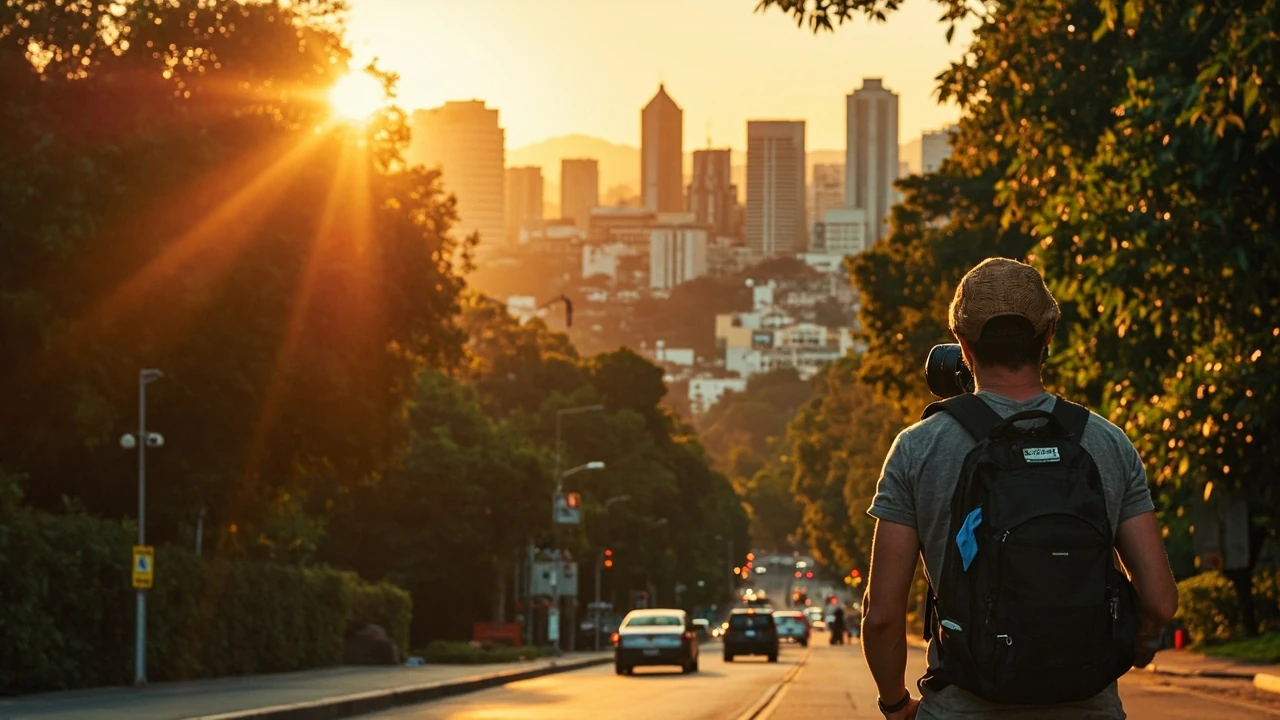
paulo brazil: A practical guide to São Paulo
A visitor searching for “paulo brazil” is usually looking for São Paulo, Brazil’s enormous city of neighborhoods, museums, restaurants, traffic, and distinct districts that reward careful planning. The right trip begins with one important distinction: São Paulo refers both to the city and to the surrounding state, while the accented spelling is São Paulo. Once that is clear, the city becomes easier to navigate. Instead of trying to see everything, choose two or three central areas, learn how the transit system works, and build each day around a cluster of nearby attractions.
This guide focuses on a first visit to the city rather than the state as a whole. It explains how to choose a base, links the most important sights to practical neighborhoods, and outlines a manageable three-day itinerary. It also includes advice on food, transport, weather, safety, accessibility, and common planning mistakes. Current schedules, venue hours, ticket rules, and service conditions can change, so confirm them directly before traveling.
The city rewards an active itinerary. Museum rooms, shaded plazas, markets, late dinners, and short walks between transit stops can become the memorable parts of a visit. Planning around one part of São Paulo at a time is more effective than filling an itinerary with distant landmarks separated by hours in traffic.
What does “paulo brazil” mean, and what should you plan?
Most travel searches using “paulo brazil” are incomplete or misspelled versions of “São Paulo Brazil.” That is the subject of this guide. The phrase can also bring up unrelated people or places named Paulo, so adding “city,” “travel,” “things to do,” or “Brazil” produces a more accurate search. Once you have identified the city, you can narrow the search further with “São Paulo neighborhoods,” “São Paulo museums,” or “São Paulo food.”
São Paulo is not one compact sightseeing district. It is a vast urban area whose neighborhoods often feel like separate places. Paulista Avenue is associated with museums, offices, shopping, and heavy pedestrian traffic. Vila Madalena has a lively evening scene centered on bars, restaurants, and independent shops. Bixiga is known for Japanese and Brazilian culinary traditions. Moema offers parks, bakeries, independent restaurants, and a more relaxed pace. Sé, the historical center, provides access to major civic sights but can feel busiest during the working day.
| What you want from the visit | Best area to investigate | Why it works |
|---|---|---|
| Art and major cultural institutions | Sé, Bela Vista, and Paulista | Several important museums and cultural buildings are close enough to combine in one day. |
| Food, nightlife, and independent shops | Vila Madalena and nearby Pinheiros | The area has a strong restaurant and evening culture without requiring a long cross-city trip. |
| Parks and a slower pace | Moema and Ibirapuera | Green space and neighborhood dining fit naturally into a relaxed day. |
| History and central landmarks | Sé and the city center | Civic buildings, churches, cultural venues, and the metro make the area convenient for a first visit. |
| Local atmosphere and street life | Bixiga and Vila Liberdade | These areas offer distinctive food and cultural identities without requiring a long stay. |
A first visit works best with a loose structure: one major cultural day, one neighborhood day, and one flexible day for food, parks, shopping, or a return to a favorite place. Trying to cross the city for every scheduled activity adds transit fatigue and makes a short trip feel rushed.
Choosing a neighborhood where to stay
The most useful neighborhood choice depends on how you travel and what you want outside your room. A central hotel makes sightseeing and short outings easier, but it can also mean higher prices, more noise, and less contact with everyday residential streets. A stay farther from the core can feel calmer and more local if your itinerary includes only one or two fixed appointments each day.
Check the map before booking, but do not judge a neighborhood by a single block. São Paulo changes rapidly at intersections. A main avenue can be noisy while a side street is leafy and residential; a commercial center can be lively at lunch and quiet after business hours. Reviews from recent travelers are useful for understanding building entrances, soundproofing, security procedures, and the practical distance to transit.
| Neighborhood | Best for | Travel considerations |
|---|---|---|
| Sé | First-time visitors, short museum days, central transit | Convenient but busy; weekday business activity can make some streets feel impersonal. |
| Bela Vista | Culture, museums, restaurants, and an active street life | Good access to major institutions, with variable noise near busy avenues. |
| Paulista | Visitors prioritizing museums, shopping, and central convenience | Excellent infrastructure, though premium rates may not suit every budget. |
| Vila Madalena | Nightlife, casual dining, bars, and independent venues | Best for an energetic trip; late-night noise is common in some residential pockets. |
| Moema | A calmer stay with restaurants and parks nearby | Convenient for airport travel and a relaxed neighborhood pace, though less central for every attraction. |
| Vila Mariana | Couples, families, and travelers who prefer local dining | Good neighborhood balance, with reliable transit and several cultural or park options nearby. |
For most short visits, choose an area within a short walk of a metro or major bus corridor. Check the actual walking route on a map, including station entrances and the route to your lodging after dark. If you plan to return from restaurants late at night, a location near frequent transit is usually more useful than a marginally cheaper room beside a major road.
- Ask whether the quoted room rate includes breakfast and taxes before comparing hotels.
- Read recent reviews for elevator access, noise, hot water, and luggage-handling procedures.
- Confirm the nearest station and the walking distance from the correct exit, not merely the station name.
- Consider the arrival pattern: an evening arrival near a busy station may be easier than a late-night trip to a quiet residential block.
- Avoid choosing solely from a map when the property is on a major avenue or directly beside nightlife venues.
How to build a manageable three-day São Paulo itinerary
Three days reveal more about São Paulo than a rushed list of every famous landmark. Group activities geographically, save time for meals, and leave room to walk without treating every attraction as a scheduled obligation. The central districts, museum areas, and Ibirapuera Park each work well as the basis for a day.
| Day | Morning | Afternoon | Evening |
|---|---|---|---|
| Day 1: Central São Paulo | Explore Sé and the civic center, then visit a major cultural institution such as MASP or the Pinacoteca. | Walk along Paulista or continue through Bela Vista for architecture, shops, and a late lunch. | Choose a restaurant in Bela Vista, Vila Madalena, or another neighborhood reached by a short metro ride. |
| Day 2: Neighborhood character | Visit Bixiga in the morning for a slower look at its streets and food traditions. | Travel to Vila Madalena or Vila Liberdade for independent shops, galleries, and neighborhood streets. | Return to an area where you already know the transit route and reserve dinner if the restaurant requires it. |
| Day 3: Park and open-air culture | Spend the morning at Ibirapuera Park, allowing time for the grounds and one or two museums. | Choose Moema, Vila Mariana, or another nearby district for a relaxed lunch and neighborhood walk. | Finish with dinner near your lodging or a departure-oriented neighborhood to avoid an unnecessary cross-city journey. |
Start each morning with a map check rather than a fixed time for every stop. São Paulo’s scale means a short journey can take much longer than expected. A flexible plan also lets you adjust for rain, a museum closure, a delayed train, or an invitation to a neighborhood event.
Museums and cultural venues often have different operating schedules, including late days or temporary closures. Confirm the date and current visiting rules before traveling across town. For the same reason, treat any restaurant requiring a reservation as an appointment rather than a casual arrival.
- Choose one anchor attraction for the morning, preferably one that opens early enough to avoid the midday rush.
- Plan lunch within a ten-minute walk or one short transit ride of the morning stop.
- Use the hottest part of the day for an indoor museum, shaded park structure, or long meal.
- Save the evening for a district that matches your interests rather than the most distant popular restaurant.
- Return to the hotel only when it fits naturally into the route; repeatedly crossing the city can consume the day.
What to eat, and how to choose without making every meal a gamble
São Paulo is one of Brazil’s strongest cities for eating out, but popularity does not guarantee the right choice for every traveler. The useful question is not whether a restaurant is famous. It is whether it fits the meal you want, the area you are already visiting, and the amount of time and money you are prepared to spend.
A first visit can include a
- Pastel: a crisp fried pastry filled according to order, often eaten as a quick snack rather than a formal meal.
- Coxinha: a breaded, usually chicken-based snack with a creamy filling; vegetarian options also exist, so ask if that matters.
- Feijoada: a slow-cooked black bean and pork dish that is often associated with a fuller, traditional meal.
- Pizza: widely available in many styles and a practical choice for groups with different food preferences.
- Japanese-influenced food: especially associated with Bixiga and also widespread throughout the city.
- Brazilian diner fare: grilled meats, beans, farofa, salads, and other familiar dishes offered in casual restaurants.
- Cafés and bakeries: useful for breakfast or a light pause, especially when paired with an early neighborhood walk.
Look for places with a clear menu, reasonable turnover, and a mix of regular customers and visitors. A busy room does not guarantee quality, and an empty room does not automatically mean poor food. More useful are recent photographs, a readable menu, clear pricing, and a location that matches the kind of meal you want.
Meal timing also matters. Lunch may begin around midday, while dinner often starts later than visitors expect. If you arrive before a restaurant’s main service period, confirm whether you can be seated. Some popular bakeries and cafés sell out of particular items earlier than others, so do not wait until the end of the afternoon to decide on a snack.
There is also a famous Brazilian namesake outside the city: a former aircraft carrier that served under the name São Paulo. For the ship’s chronology, from its French origins to its later disposition, see the history of the Brazilian aircraft carrier São Paulo, which provides useful background for this point. Knowing that distinction prevents travel searches from being mixed with naval history.
Food allergies require direct conversation with the restaurant. Ask about ingredients and preparation rather than assuming an item is safe because it appears vegetarian. Keep emergency medication accessible, and carry a translation card if your dietary needs cannot be explained easily in Portuguese.
Getting around São Paulo without spending the day in traffic
Traffic is one of the most important practical realities of visiting São Paulo. The city has an extensive metro and bus network, and rail travel is often the most predictable way to move between major districts during busy hours. Buses cover more of the city, but traffic can turn a short mapped trip into a slow one.
| Option | Best use | Main advantage | Main limitation |
|---|---|---|---|
| Metro | Moving between central and well-connected districts | Generally predictable and useful for avoiding road congestion | Not every destination is close to a station; some lines and trains can be crowded. |
| Public bus | Connecting neighborhoods beyond the rail core | Broad route coverage | Traffic, waiting times, and route changes can complicate the journey. |
| Taxi or ride-hailing car | Door-to-door travel, groups, or times when luggage is awkward | Convenient and direct | Cost and traffic vary; availability can fall during busy periods. |
| Walking | Short trips within a dense neighborhood | Easy way to notice street life and avoid a transfer | Not ideal for long distances, extreme heat, rain, or streets with limited pedestrian access. |
| Bicycle | Short daytime trips in appropriate areas | Useful for covering moderate distances | Requires care around heavy traffic, weather, and secure parking. |
Use a current transit application or the official system’s planning tools to check routes and disruptions, and save a screenshot of the route before leaving. A useful daily rule is to take the metro or bus for the largest part of a journey and walk only for the final short segment. It reduces both road exposure and dependence on a single connection.
Allow extra time for stations, exits, and walking through large neighborhoods. A map showing a ten-minute walk may involve a busy crossing, a controlled-access area, or an exit far from the intended street. If you are carrying luggage, plan the route from the station exit to the hotel door rather than stopping at the neighborhood marker.
Airport travel requires separate planning. A major international airport and the city’s smaller domestic airport serve different routes, so confirm the correct terminal before booking a car or discussing pickup with a hotel. Keep the day of arrival simple: one museum, one neighborhood dinner, or a meal near the lodging. Save a more ambitious itinerary for the second day, when you know how long your preferred transit route actually takes.
Weather, neighborhoods, and small decisions that make the trip smoother
São Paulo has a subtropical highland climate with warm, wet summers and generally milder winters. Rain can arrive as a short, heavy afternoon storm, but travelers should not assume that every outdoor activity will be washed out. The best response is flexible planning: put indoor institutions in the middle of the day and keep a park, museum, or covered food stop available.
Season affects the mood of the city more than it affects the basic possibility of visiting. Warm months are lively but can be humid, with outdoor seating and walking becoming less comfortable around midday. Cooler periods suit walking and layered clothing, although a light or medium jacket is useful because indoor spaces and air-conditioned transport may feel cool. Check the forecast shortly before departure and during multi-day stays.
Neighborhoods are best experienced at street level rather than simply as stops between major attractions. Look at the buildings, sidewalk businesses, trees, transit activity, and public spaces. Stop for coffee when you have already spent an hour walking. Use a park not only as a photo stop but as part of the day’s rhythm.
- Carry a reusable bottle and refill it where facilities allow, but keep the bottle closed near crowded public areas.
- Wear shoes suitable for long walks on sidewalks that may be uneven or hot.
- Bring a light rain layer even if the forecast looks clear.
- Save offline copies of addresses, reservation confirmations, and transit directions.
- Respect local residences. Loud street conversation and late-night noise can become a problem in otherwise quiet neighborhoods.
Accessibility should be checked before booking. Confirm whether a building has step-free access, working elevators, accessible restrooms, and seating appropriate for visitors who cannot stand for long periods. At major museums and cultural sites, ask about specific entrances or assistance procedures. A neighborhood that looks close on a map may still present barriers when every sidewalk edge, station gap, or hotel doorway is considered.
For travelers interested in how different cities express food, street life, and regional identity, the site’s comparison of Colombia’s cultural variety offers a useful contrast with São Paulo’s large, fast-changing metropolitan culture. A different perspective on dense coastal cities can be found in its guide to what the Amalfi Coast reveals beyond the photographs.
Safety, scams, and sensible precautions
Most visits are uneventful when travelers use ordinary urban awareness. The useful approach is not to avoid the city or to treat every unfamiliar situation as dangerous. Instead, make a few consistent choices that reduce avoidable friction.
Keep your phone and valuables out of sight in crowded areas, particularly near busy stations, shopping streets, and nightlife districts. Use your belongings to stop accidental openings of a bag while standing in a crowd. Do not leave luggage unattended, and be cautious when someone creates a distraction or claims to have found something you lost.
Ask for the price before accepting a service, especially when ordering additional food, rides, or luggage assistance. Check ride-hailing pickup markers and the vehicle details in the app before entering. If a driver or helper starts changing the destination or price, end the interaction and use an official service channel.
Street selling is part of the city, but crowded pedestrian spaces also create opportunities for distraction. When stopping to browse or listen to street performers, maintain awareness of the people around you. Keep valuables away from the side nearest the crowd.
- Share your route with someone at home when heading to a distant neighborhood or returning late.
- Use well-lit public spaces and the main routes from transit stations to your lodging.
- Do not display expensive jewelry, cameras, or a phone screen for long periods in a crowd.
- Carry only the cards and cash you expect to use, with backups stored separately.
- If something is lost or stolen, contact your accommodation, local authorities, and your insurer promptly.
Emergency information should be saved offline before the trip. In Brazil, the national emergency number commonly used to request police, fire, or ambulance assistance is 190. Confirm the current guidance with your lodging or official local resources. Travelers who need medication should carry it in original packaging, bring a prescription copy when useful, and ask a pharmacist or clinician about local rules before departure.
Most neighborhood differences are better handled with observation than stereotypes. A busy commercial district may feel safer in the evening because people and restaurants remain active, while a quiet residential street may have fewer visible risks. Remain especially alert around large road crossings, construction areas, and stations after a late event has ended. The same general principles apply in any large city: stay aware, use trusted transport, and avoid isolated shortcuts when an unfamiliar route is available.
Frequently asked questions
What is the correct name: Paulo Brazil or São Paulo Brazil?
The city and state are written São Paulo, with an accent and a space. Searches for “paulo brazil” usually work as shorthand, but using the correct spelling makes maps, tickets, addresses, and restaurant reservations easier to match.
How many days should visitors spend in São Paulo?
Three full days are enough for a useful first visit if each day focuses on a limited area. Four or more days allow slower neighborhood days, day trips, and repeat visits without turning every morning into a race across the city.
Which São Paulo neighborhood is best for a first visit?
Sé and Bela Vista are convenient for major cultural institutions and central transit. Vila Madalena suits travelers interested in nightlife, while Moema and Vila Mariana provide a calmer neighborhood experience. The best choice depends on your itinerary rather than a universal ranking.
Is São Paulo safe for tourists?
Visitors can have a comfortable trip by using normal precautions, staying aware in crowded places, protecting valuables, and using reliable transportation at night. Avoid treating every neighborhood or stranger as a threat; focus on specific, observable risks and practical habits.
Can you visit São Paulo’s main museums in one day?
Yes, if you choose two institutions in the same general area and do not attempt to cover every major museum. Confirm current opening days and ticketing rules, and leave time for a proper visit rather than rushing through several galleries.
Do I need a car in São Paulo?
Most visitors do not. The metro and buses connect major parts of the city, and a car can become a disadvantage during heavy traffic or parking searches. A car or ride-hailing car is more useful for groups with mobility needs, heavy luggage, or a planned excursion outside the core.
What should I eat in São Paulo if I am trying local dishes?
Try a pastel, coxinha, feijoada, or a Brazilian diner meal, then explore the city’s well-known Japanese-influenced food. Start with one or two dishes rather than ordering everything familiar. Confirm ingredients directly if you have allergies.
Is São Paulo worth more than three days?
It can be, particularly if you want to explore neighborhoods, attend performances, shop, or take an excursion to the coast or mountains. The strongest itineraries still avoid excessive daily movement and leave time for spontaneous neighborhood experiences.
What should I pack for paulo brazil?
Pack comfortable walking shoes, light layers, a compact rain jacket, and any regular medication you need. Summer heat and humidity call for breathable clothing and water, while cooler evenings and strong indoor air conditioning justify a light jacket.
What is the most common planning mistake in São Paulo?
The biggest mistake is trying to see distant attractions every day. Crossing the city consumes hours and makes the trip feel less rewarding. Group nearby activities, confirm schedules, and prioritize the experiences that genuinely interest you.


Leave a Reply