
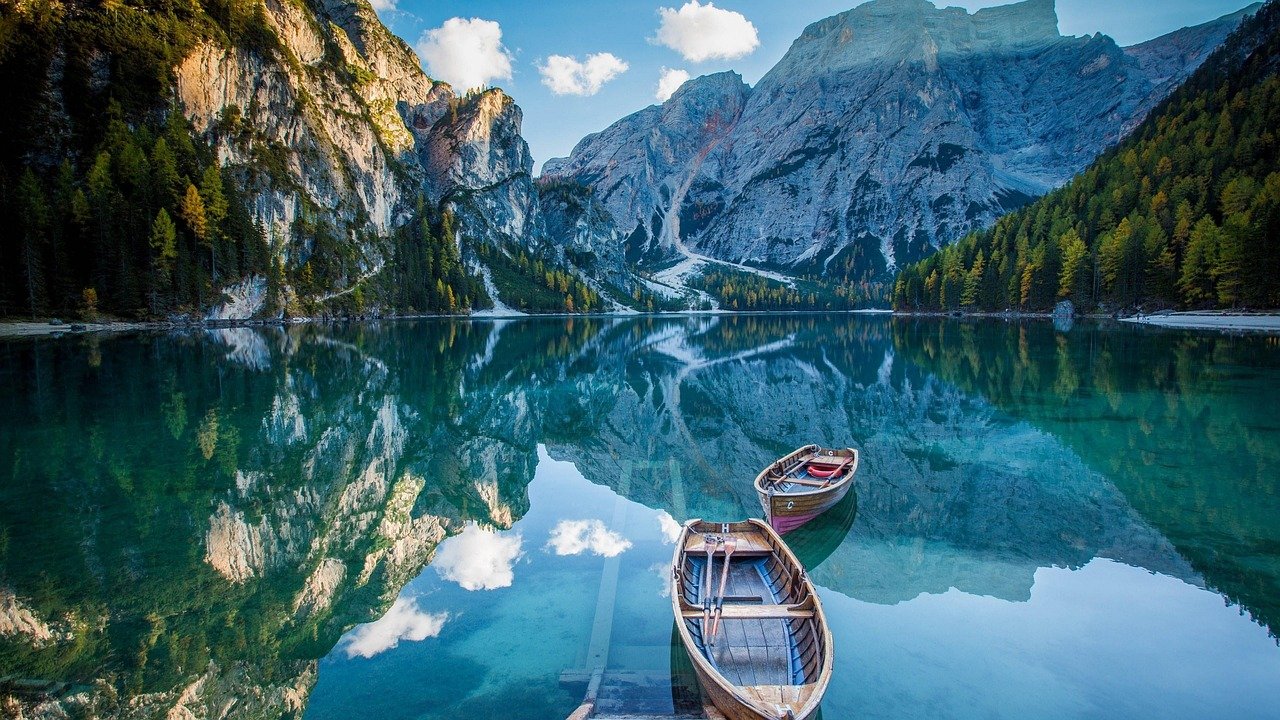
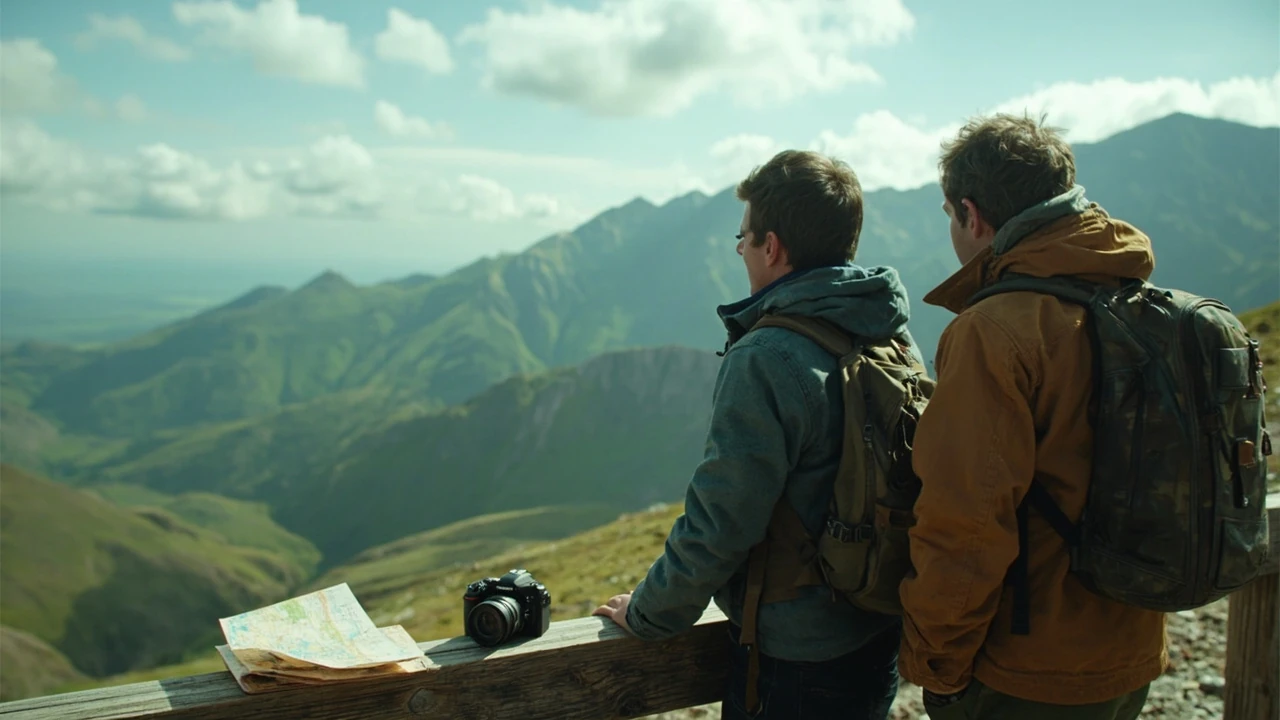
Choosing a trip to the Urals starts with a naming problem: the name can refer to the mountain chain, a broad region, the river running through it, or several urban and industrial centers. For travelers, that distinction matters. A mountain itinerary emphasizes hiking, rail travel, and scenic overlooks, while a city-centered trip focuses on museums, restaurants, regional food, and the history of industrial Russia. This guide helps you identify the version of the Urals that best matches your interests before you commit to routes, transportation, or accommodation.
What the Urals mean for travelers
The most useful starting point is to treat the Urals as both a physical landscape and a travel region. The mountains form the most familiar image, but the surrounding territory extends well beyond the high ridges. Depending on the itinerary, a journey may connect Yekaterinburg, Perm, Chelyabinsk, Orenburg, Ufa, and smaller towns set along roads, railways, rivers, and industrial corridors.
This distinction explains why two travelers can use the same destination name and still expect very different trips. One may spend several days near mountain trails and scenic valleys. Another may use Yekaterinburg as a base for museums and day trips, then continue toward Perm by train or road. The best choice depends less on a checklist of attractions than on how you prefer to travel.
The name also crosses administrative and national boundaries. The mountain system and surrounding region extend through Russia and Kazakhstan, although most visitor information concerns routes centered in Russia. If Kazakhstan is part of your plan, treat it as a separate practical decision involving border formalities, transport, and current entry requirements rather than assuming that crossing is simply a continuation of the same road trip.
Before looking for a hotel or comparing tour packages, decide on four things:
- whether the mountains are the main subject or part of a larger regional circuit;
- whether you prefer rail travel, private road travel, organized transport, or guided excursions;
- how much time you have for cities, smaller settlements, and outdoor activities;
- which season offers the combination of access and conditions that suit you.
That framing also prevents a common planning mistake: building an itinerary around a grand view of the mountains without checking the practical connection between the places on the route. The Urals reward travelers who match the pace to the landscape. A few well-chosen bases are usually more rewarding than a fast attempt to see everything.
Match your route to the landscape and interests
Search results often combine mountains, cities, rivers, and cultural attractions without making clear which ones belong together. Use the table below as a sorting tool rather than a strict boundary. Rivers and cities can provide excellent mountain access, and urban museums can add context to an outdoor trip.
| Meaning of “Urals” | Best for | Typical travel pattern | Main planning consideration |
|---|---|---|---|
| Ural Mountains | Hiking, scenery, photography, and outdoor stays | A few mountain bases connected by road or rail | Trail conditions, transportation to trailheads, weather, and seasonal access |
| Ural region | A broad tour combining cities, industry, museums, and nature | Yekaterinburg or another major city used as a base | Realistic travel times between stops |
| Ural River | Water landscapes, slower travel, and river-oriented stops | Selected river towns connected by regional transport | Current transport schedules and the practical difficulty of reaching smaller settlements |
| Ural cities | Museums, food, architecture, nightlife, and local culture | An urban itinerary with day or overnight excursions | Accommodation location, operating schedules, and neighborhood choice |
If you are deciding between an outdoor and urban trip, consider the pace you want. Mountain days can involve variable weather, uneven paths, and transportation that takes longer than a straight-line map suggests. City trips are easier to structure around restaurants, museums, and short outings from a central hotel. Neither is automatically better; the better option is the one that matches your attention span and comfort with moving between plans.
Choose a mountain trip when you want the landscape to set the pace
A mountain-first trip should include more than a scenic viewpoint. Look for routes that give you time to walk, watch changing weather, and reach a trailhead or valley without turning every day into a race. Some travelers prefer marked walks and guided interpretation. Others are comfortable with longer independent hikes, provided they confirm access, conditions, and local guidance in advance.
Choose a city trip when local life is the main attraction
Yekaterinburg is a practical choice for many travelers because it functions as a transport and cultural center, though it is not the only possible base. Perm has a distinct identity and offers access to the wider region. Chelyabinsk, Orenburg, Ufa, and smaller centers can suit travelers seeking a less familiar city-based route. The best city base is the one that supports the activities you want and leaves room for short excursions.
Choose a regional loop when you want context without constant movement
A loop is useful when you want both city experiences and nature. Stay several nights in each selected base, take day trips from the larger city, and avoid treating every town on the map as an overnight stop. This approach also makes the journey less exhausting and gives you a better chance to encounter regular local routines rather than only passing through.
Choose bases and build a route that makes sense
A strong Urals itinerary uses a small number of hubs and a clear geographic logic. Start from the access point that makes the rest of your journey feasible, then work outward. If your trip emphasizes mountains, place the mountain stay near the actual trail or valley you intend to visit. If it emphasizes museums and food, a major city with several nights gives you more flexibility.
The English-language geography index entry is useful for checking that a place name, river reference, or broader use of the word belongs in the category you expected. It also shows why it is worth resolving the term before booking transportation: one label can point to several different places and concepts.
| Route style | Suggested rhythm | Who it suits | Tradeoff |
|---|---|---|---|
| One-city base | Four or more nights in one city, with excursions | Travelers who value convenience, food, museums, and minimal packing | Less freedom to experience other parts of the region |
| City and mountain pairing | Several nights in a city, then several nights near a mountain or rural area | Couples and solo travelers who want both culture and scenery | Requires careful coordination of regional transport |
| Three-stop regional circuit | A longer stay in each of three carefully selected places | Travelers with more time who want a broader sense of the region | Higher transport cost and more opportunities for delays |
| Rail-led journey | Day travel or overnight connections between larger centers | Travelers who prefer to avoid continuous road transfers | Less flexibility around rural destinations and late arrivals |
Build the route in this order:
- Choose the main landscape or city experience that justifies the trip.
- Select one primary base with convenient arrival and departure options.
- Add no more than two secondary bases unless you have generous travel time.
- Check the travel day itself, not only the number of nights at each stop.
- Leave one flexible period for weather, missed connections, or a place you want to explore more deeply.
Map distance can be misleading in mountain country. A short-looking road may take longer because of terrain, settlements, roadworks, or limited through-service. Ask a regional travel professional or transport operator for current journey times rather than relying only on a straight-line calculation. If you plan to use trains or local buses, check whether the service requires an advance reservation and whether it runs at a useful time of day.
For travelers accustomed to self-driving in the United States, allow extra attention to road signs, vehicle documents, fuel planning, and local traffic procedures. Rental availability can vary, and a car that works well for a city may be less comfortable for rural roads or mountain approaches. Conversely, if you do not want to manage unfamiliar driving conditions, a well-designed rail-and-guided-travel combination can make the region more accessible.
Decide when to go and what to pack
Season has a direct effect on what you can do. It also affects daylight, road access, trail conditions, and the atmosphere of mountain towns. A good season is not simply the warmest one; it is the one that matches the activities on your list.
| Season | Best for | Advantages | Points to verify |
|---|---|---|---|
| Winter | Snow scenery, winter recreation, and quieter mountain stays | A distinct landscape and a different atmosphere from summer | Snow conditions, road equipment, guided activity availability, and cancellation flexibility |
| Spring | Longer daylight, fresh conditions, and a transition into outdoor season | Potentially more comfortable walking in lower areas | Trail opening dates, variable weather, and transport frequency |
| Summer | Hiking, scenic road travel, festivals, and the broadest range of excursions | Longer days and more active visitor infrastructure | Peak demand, mountain weather, parking, and advance booking needs |
| Autumn | Forest scenery, quieter travel, and photography | Strong seasonal color and potentially calmer conditions | Shortening daylight, early seasonal closures, and transport schedules |
For summer hiking, pack for changing mountain weather rather than for one idealized forecast. A waterproof outer layer, insulating layer, sun protection, reliable footwear, water, navigation tools, and a small first-aid kit form a sensible core. If you plan technical routes, camping, or equipment-heavy days, ask a qualified local provider what additional gear is required. Do not treat ordinary city walking shoes as suitable for every trail.
Winter travelers should confirm the road and rail conditions for the exact route rather than relying on the general seasonal label. Vehicle requirements, local equipment rules, and guided-activity arrangements can vary by location and weather. Build in flexibility if your itinerary depends on mountain roads, because a disruption may affect onward travel as well as the activity itself.
City travelers can pack more lightly, but comfortable footwear remains useful for museums, neighborhoods, and day trips. Add layers appropriate to the season and include any medication you need. A small day bag makes city excursions and rail journeys easier than managing a large suitcase from one base to another.
Learn about culture, food, and life beyond the landmarks
The Urals have a history shaped by geography, migration, trade, and industry. That history is visible in old administrative centers, worker settlements, religious architecture, museums, markets, and the way neighborhoods grew around factories and transport lines. A regional trip becomes more informative when you look for these layers instead of treating each stop as a collection of attractions.
City walking is often more revealing than a checklist of major sights. Notice how older courtyards sit beside newer commercial districts, how the design of a house changes as rail or industrial wealth shaped the city, and where contemporary public spaces meet industrial remnants. Museum visits can add context, but leaving time for streets, cafés, station areas, and neighborhood markets often reveals a more varied picture.
Food is another practical way to understand the region. Ask what is seasonal, what is prepared for a specific occasion, and how dishes differ between a large city and a smaller town. Menus in English may not always be comprehensive, so learning a few basic food terms and being able to indicate dietary restrictions can help. If you have a serious allergy or medical condition, carry appropriate documentation and research restaurant options before traveling.
For a broader editorial comparison of how place, identity, and daily life combine in a regional culture, Colombia Culture Makes More Sense When You Stop Looking for One Version of It offers a useful contrast. The connection is thematic rather than geographic: both subjects show why a region is better understood through multiple local experiences than through a single simplified identity.
A few cultural practices also deserve early attention. Photography rules may differ at religious sites, museums, transport facilities, and places connected with military or security organizations. Respect local customs, ask before photographing people, and follow multilingual instructions. These are simple behaviors, but they help create a more respectful visit.
Handle transport, border crossings, and practical details
Planning is most useful when it separates what is likely from what must be confirmed close to departure. Timetables, entrance rules, payment practices, road conditions, and border procedures can change. The following checklist identifies decisions that deserve current verification.
| Task | What to confirm | Why it matters |
|---|---|---|
| Entry and visa | Current requirements for your nationality, passport, purpose, and itinerary | Requirements can vary with travel circumstances and do not depend on the destination alone |
| Regional transport | Current schedules, reservation rules, transfer times, and disruption policies | A workable connection depends on the complete journey, not just one train or bus |
| Road travel | Driving rules, documents, insurance coverage, equipment requirements, and rental terms | Urban and mountain travel can require different preparation |
| Payments | Which cards, cash, or payment methods are accepted at each stage | Acceptance may vary between cities, institutions, and rural businesses |
| Accommodation | Location, check-in method, cancellation terms, and transport access | A central address is not always the most practical arrival point |
| Activities | Operating dates, guide qualifications, weather limits, and equipment needs | Seasonal activities may operate on a narrower schedule than urban attractions |
Use official government travel advice, embassy information, transport operators, and attraction or park channels for time-sensitive checks. Your home-country foreign ministry can explain entry and safety guidance for American travelers. Do not rely on an old forum post to settle a current question, and do not assume that a visa rule for one nationality applies to another.
Travel insurance can be particularly important for regional itineraries involving long transfers, mountain weather, or nonrefundable bookings. Read the coverage for activity-specific exclusions, especially for hiking, winter travel, or driving. Keep policy details, emergency contacts, and copies of important documents accessible offline.
Pack a small emergency kit for remote travel, including a charged power bank, basic first-aid supplies, extra layers, water treatment if needed, and navigation information that does not depend on a mobile connection. Share your route with someone at home. In mountain terrain, a good paper map and compass can support—not replace—sound judgment, current conditions, and local advice.
Communication also deserves a plan. Download the necessary translation resources before departure, save addresses in Russian as well as English, and confirm the address of your accommodation in a form a driver can read. If booking a driver for a remote pickup, specify the terminal, platform, date, and a contact method that works without local mobile service.
Compare the Urals with other road-trip styles
The best alternative to the Urals is not simply another scenic region. It is the type of trip whose pace and priorities match yours. A traveler who wants continuous road access may prefer a different experience from someone whose main goal is museum depth or rail travel. Consider the structure of the journey before comparing landscapes.
For travelers who enjoy long driving days, varied roadside landscapes, and the feeling of moving through different regions, the Urals can work well as a self-drive journey. Choose a limited number of targets and allow extra time for local roads. The attraction is the progression between distinct environments rather than a single compact resort area.
For travelers who prefer landmarks, dining, and short outings, a city-based itinerary is easier. Yekaterinburg or Perm can serve as a base while you decide which day trips or surrounding places deserve the added travel. This approach also reduces packing and gives you a comfortable place to return after a long excursion.
The idea of open roads and towns connected by long distances can be found in many parts of the United States. Heartland America Is Bigger, Stranger and Better Than the Stereotype is a helpful comparison for American readers because it focuses on the experience of travel between cities, not only on the destination at the end of the drive. The Urals reward a similar willingness to notice transitions between regions, though the language, history, and transportation system are entirely different.
Use these distinctions when comparing options:
- If you want maximum scenery with minimal planning, choose a destination with concentrated attractions and easy transfers.
- If you want a sense of distance and changing landscapes, give the Urals more travel days and fewer stops.
- If museums and food are your priorities, stay longer in one or two cities.
- If outdoor access is the priority, identify the exact mountain area before booking a city hotel.
- If independent driving feels stressful, favor rail connections and guided day excursions.
Know who should visit and what to book first
The Urals are best suited to travelers who can handle a little uncertainty in regional transport, appreciate history shaped by industry and geography, and want more depth than a brief city stop provides. They can also suit families and groups with different interests if the group agrees on a common base and the itinerary includes both indoor and outdoor options.
They may be less suitable if you require a tightly standardized resort experience, expect every attraction to operate on the same schedule, or need extensive English-language service without advance research. A destination can be rewarding without being frictionless. The key is to identify which parts of the journey require particular skills or arrangements.
Book the most restrictive element first. That may be a seasonal mountain activity, an international flight, a rail connection, or accommodation in a small town. A city hotel is easier to replace than a limited mountain lodge, and a regional rail ticket may depend on a carefully timed international arrival.
Use this sequence when everything seems equally urgent:
- Confirm that you can legally and practically enter the region and reach your first base.
- Protect the part of the route with the fewest alternatives, such as a seasonal excursion or remote stay.
- Reserve major intercity transport after confirming the arrival and departure windows.
- Choose accommodation by location and transfer needs rather than by decorative photographs alone.
- Add restaurants, museums, and market visits as daily plans rather than overfilling every hour.
Ask every provider the same practical questions: What time do you really need to arrive? What happens if the previous connection is delayed? Is the activity weather-dependent? Can the booking be changed? Are meals, equipment, transfers, and guide services included? Clear answers are more valuable than a long list of promised highlights.
Allow one day without a fixed plan if your itinerary crosses a border, involves mountain weather, or depends on regional transport with limited frequency. That buffer reduces the chance that a delayed train or closed trail will force you to skip an entirely different experience.
Frequently asked questions
What are the Urals?
The Urals can refer to the mountain chain, a broad region around it, the river system, or cities associated with the area. For travel planning, the mountains and the wider regional itinerary are usually the most useful meanings. Decide which landscapes and cities you want to include before choosing a base.
Are the Urals in Europe or Asia?
The mountain chain is widely associated with the traditional geographic division between Europe and Asia. Rather than treating the border as a simple travel boundary, focus on your actual route. Some itineraries stay entirely within Russia, while others combine Russian and Kazakh destinations and require separate border planning.
What is the best base for visiting the Urals?
The best base depends on your priorities. Yekaterinburg suits travelers who want a major city with cultural sites and onward transport. Perm offers another urban and regional option. Mountain-focused travelers should stay close to the area they plan to explore rather than choosing a base only because it appears convenient on a map.
Can you visit the Urals without a car?
You can, especially when concentrating on major cities, rail routes, and organized excursions. Smaller settlements and trailheads may be less convenient without a car. Verify regional schedules, connections, and transfer arrangements before choosing a rail-only plan, and allow flexibility for disrupted connections.
How long should an Urals trip last?
A city-centered visit can fit into a shorter trip, while a meaningful regional circuit needs more time. Rather than setting a minimum number of nights, choose a duration that supports at least two or three substantial bases without making every day a transfer. Three or more nights in each base usually creates a better balance than several one-night stops.
What is the best time to visit the Urals?
Summer offers the broadest range of hiking and excursion options, while winter provides snow scenery and a quieter seasonal experience. Spring and autumn can suit travelers who prefer fewer crowds or focus on particular activities. Check current trail, road, lodging, and guided-activity conditions for the exact dates.
What should I pack for a mountain trip in the Urals?
Prepare for changing weather, including a waterproof layer, insulating clothing, suitable footwear, sun protection, water, navigation tools, and a small first-aid kit. Technical hiking, camping, or winter activities require additional equipment and preparation. Ask a qualified local guide or provider what the route and season demand.
Are the Urals suitable for travelers interested in local food?
Yes. Regional food is one of the strongest reasons to slow down and spend time in different cities rather than rushing through a checklist. Restaurant language and payment practices may vary, so research menus and dietary accommodation in advance. A market visit can also be a useful way to learn about seasonal ingredients, but observe normal vendor practices and ask before photographing people.
Do I need to plan a border crossing to include Kazakhstan?
Only if Kazakhstan is part of your itinerary. A route through both countries requires current entry, visa, transit, transport, and border information for every traveler on the team. Do not assume that a domestic journey in Russia can be extended across the border without separate documentation and transportation arrangements.

Leave a Reply