
Quick answer: what is the capital city of Guatemala?
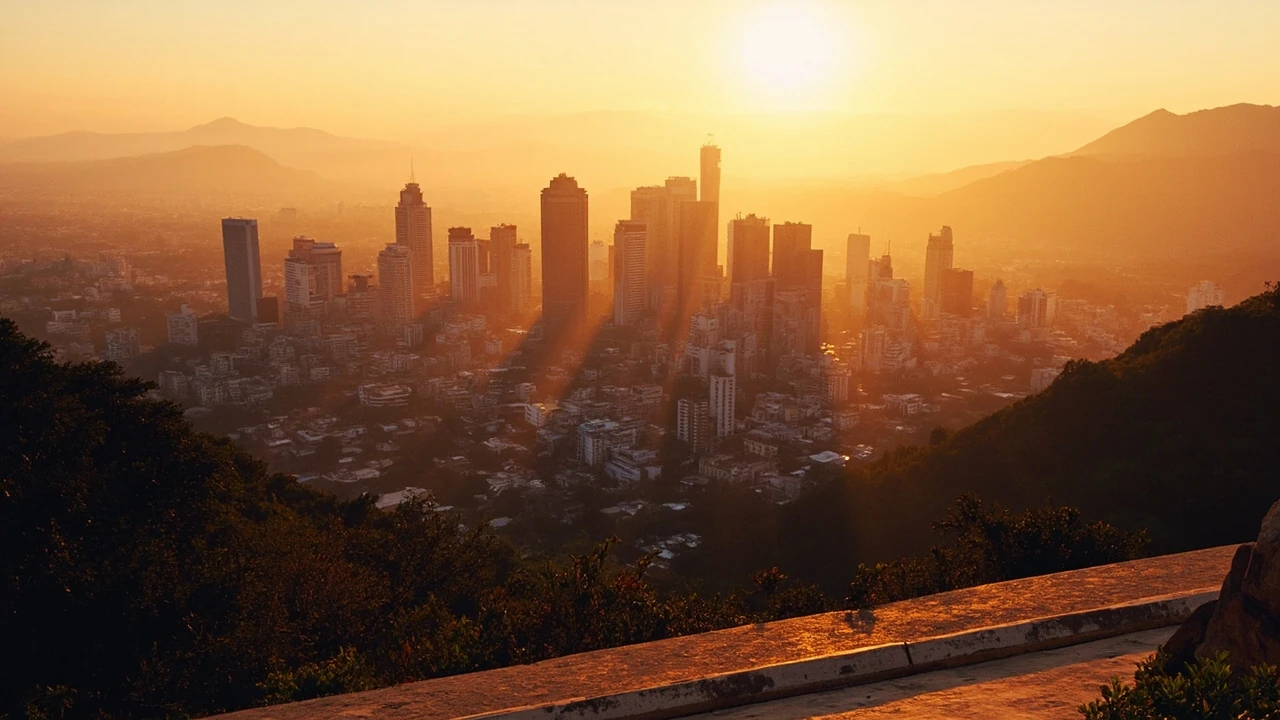
The capital city of Guatemala is Guatemala City, commonly called Guate by many locals. It is Guatemala’s political, economic, and cultural center, as well as the country’s largest urban area. The city sits in a mountain valley in south-central Guatemala, a setting that gives it a dramatic backdrop and makes many travelers curious about how it came to exist there.
Guatemala City is also the place to find the national government, major business districts, cultural institutions, and the country’s principal international gateway, La Aurora International Airport. For travelers, it serves as a practical starting point for exploring the capital as well as a base for day trips to nearby destinations, including the historic city of Antigua Guatemala.
The name can cause a moment of confusion because Guatemala is both the name of the country and the name of the capital. Another possible source of confusion is Antigua Guatemala. Antigua was the country’s former capital and remains one of its best-known historic destinations, but the seat of national government is now Guatemala City.
| Question | Answer | Practical meaning |
|---|---|---|
| What is the capital city of Guatemala? | Guatemala City | This is where travelers usually begin or end a trip to Guatemala. |
| Is Antigua Guatemala the capital? | No | Antigua is the former capital and a major historic destination. |
| What is the capital city called in Spanish? | Ciudad de Guatemala | The formal Spanish name is Nueva Guatemala de la Asunción. |
| Why was the capital moved? | Earthquakes destroyed much of Antigua | Government was relocated to a new site in a less vulnerable valley. |
In short, Guatemala City is the answer. The city’s history, geography, neighborhoods, and visitor logistics explain why it occupies such a central position in modern Guatemala.
Why Guatemala City became the capital
Antigua Guatemala was the political and religious center of the Spanish colony, with a prominent cathedral, government palace, and central plaza. Its history is closely tied to the region’s colonial past. However, repeated earthquakes caused severe destruction, including the major 1773 Santa Marta earthquake and its aftershocks. The capital was subsequently relocated, and government activity became centered on the location that is now Guatemala City.
The move was intended to place the seat of government in a safer setting. According to the historical overview of Guatemala City’s development, the new capital was established in 1776 in the Hermitage Valley. The city that grew around this new center was founded on the site of the ancient Maya ceremonial center known as Kaminaljuyu.
That history explains why modern Guatemala City combines several distinct identities. It is not simply a modern administrative center drawn on an empty map. Its urban area developed over an ancient landscape, then became a colonial capital, the seat of a regional federation, and finally the capital of an independent republic.
After independence in the nineteenth century, Guatemala City remained the country’s political center. It also became the main transportation and commercial hub. The city’s long history is visible in landmarks such as the Metropolitan Cathedral, the National Palace, theaters, museums, and traditional civic spaces, although many parts of the capital have been rebuilt and expanded over time.
Antigua continued to attract visitors because of its preserved architecture and religious significance. Guatemala City, however, offers a different experience. Its appeal lies in urban neighborhoods, national institutions, museums, dining, nightlife, contemporary business, and its role as a transport gateway. Choosing between the two depends on the trip: travelers who want colonial streets and major church sites often stay in Antigua, while those who want the national capital, a wider range of hotels and restaurants, and easier air connections usually stay in Guatemala City.
What makes Guatemala City’s location distinctive
Guatemala City lies in a highland valley rather than on a coastal plain. This geography is one of the first things visitors notice. Mountains frame the horizon, the weather can change quickly, and the city’s elevation makes even a short walk feel different from a walk in a lowland destination.
The capital also stands near Lake Amatitlán, a large body of water west of the urban center. The lake and surrounding landscape offer a striking counterpoint to the dense city. Nearby volcanic highlands contribute to the region’s distinctive scenery, while the valley provides a comparatively practical place for a major urban center to develop.
Visitors should not underestimate the importance of the weather and the amount of elevation involved. A comfortable morning can turn into a cool or rainy afternoon, and a street that appears straightforward on a map may involve hills, traffic, or a longer walk than expected. Packing layers and allowing extra travel time can make the experience considerably easier.
The city is also a cultural crossroads. Guatemala’s national institutions, commercial activity, and museums are concentrated here, while the capital attracts people from across the country. This movement is part of the city’s character: it is a place where regional traditions, modern urban life, and international visitor services exist alongside one another.
| Feature | What travelers will notice | Planning consideration |
|---|---|---|
| Mountain-valley setting | Elevated views, changing weather, and a hilly urban landscape | Bring layers and allow extra time for journeys across town. |
| National-capital role | Government, museums, business, and major cultural institutions | Prioritize central areas according to the attractions on your itinerary. |
| Large metropolitan area | Traffic can be intense during busy periods | Group nearby stops together rather than crossing town repeatedly. |
| Proximity to Antigua | The former capital is a feasible day trip or short overnight journey | Compare the pace and atmosphere of Antigua with the capital before booking. |
For a broader perspective on how cities reveal local culture, Colombia culture makes more sense when you stop looking for one version of it offers a useful reminder that the best urban visits look beyond a single landmark and consider how residents actually experience a place.
How to orient yourself around Guatemala City
Guatemala City is large, and visitors often benefit from organizing the first day around a compact group of sights. The historic and central areas contain many of the city’s best-known civic and cultural attractions. Museums, government buildings, restaurants, cafés, and shopping areas are distributed across different zones, so the neighborhood you stay in can shape how easy each day feels.
La Aurora International Airport is the main international arrival point for many visitors. Staying near the central city can make the first or final day more comfortable, especially for travelers who want direct access to major museums, restaurants, and cultural sites. A location farther out may offer a quieter environment but can require a longer drive for central activities.
Instead of attempting to see everything, travelers can use a simple orientation plan:
- Start with one central landmark cluster. Choose a small group of nearby museums, public buildings, cafés, or parks rather than crossing the city several times in one day.
- Identify the airport transfer before the first activity. Knowing the expected route and travel time helps prevent a delayed flight from eating into a short itinerary.
- Separate the city from Antigua. Do not treat the two destinations as interchangeable neighborhoods. Plan at least one focused period for each if both are important to your trip.
- Use the terrain as a scheduling tool. Morning walks may be more comfortable when the sun is lower, while cooler late-day conditions can suit outdoor sightseeing.
- Leave a flexible final block. Traffic, weather, and spontaneous recommendations can make a tight schedule frustrating. A flexible block is often more valuable than an extra distant stop.
Transportation choices also matter. A hired car or private driver can be useful for groups, for visitors with limited mobility, or for trips involving locations outside the dense center. Within central districts, walking may be practical for short distances, but it should not be assumed for every journey. Traffic conditions and the hilly terrain can make a modest distance on the map feel longer than expected.
The capital rewards a measured pace. A visitor who spends one day understanding its central areas will usually have a clearer sense of the city than one who tries to cross it at highway speed. This is particularly true for photographers, food-focused travelers, and anyone interested in museums or neighborhood culture rather than only the major monuments.
What travelers can experience in the capital
Guatemala City functions as a full travel destination rather than a place with only one sightseeing attraction. The city contains museums devoted to archaeology, art, and national history, as well as theaters, galleries, parks, restaurants, cafés, and shopping districts. It also provides access to the wider metropolitan area and major overland routes.
Food deserves particular attention. Guatemalan cuisine combines Indigenous ingredients and cooking traditions with Spanish and regional influences. Travelers can find local dishes in casual restaurants, markets, and more formal dining rooms. A sensible way to explore the food scene is to compare a traditional meal with something lighter, such as a coffee, pastry, or street-food snack, rather than trying to identify a single “best” dish before learning what the city offers.
Museums and cultural institutions can help explain the country’s layered history, including Indigenous heritage, colonial development, the independence period, and modern social and political experience. Because collection themes and temporary exhibitions can change, anyone planning a dedicated museum visit should check current details with the institution shortly before going.
Nightlife and evening dining are concentrated in several distinct parts of the city. This separation is useful to understand: a neighborhood that feels lively for dinner may not be the same one that comes alive later at night. Checking the character of an area during daylight hours can produce a better match than relying only on a nightlife list.
Sports, performance, and public events also form part of the capital’s identity. Guatemala City is home to major venues, including an IMAX theater, and hosts the Ícaro film festival, which has provided a platform for independent films from Guatemala and Central America. Event calendars should be checked for current dates and availability rather than assuming a regular annual schedule.
A final consideration is neighborhood safety. As with any large city, travelers should remain alert to pickpocketing, traffic hazards, and suspicious requests for help. Staying in established visitor areas, using reputable transportation, keeping valuables out of sight, and following local guidance are more useful than assuming that one part of the city is uniformly safe or unsafe.
Guatemala City or Antigua Guatemala: which base makes more sense?
The choice between Guatemala City and Antigua is not simply modern versus historic. Both destinations have their own pace, geography, and visitor appeal. Antigua is smaller and strongly associated with Spanish colonial architecture, church interiors, courtyards, and a walkable tourist core. Guatemala City is larger, more metropolitan, and more closely connected to government, national museums, business, and the airport.
The following comparison is based on the kind of experience each place tends to prioritize rather than a rigid list of rules. Individual hotels and neighborhoods can create exceptions.
| Consideration | Guatemala City | Antigua Guatemala |
|---|---|---|
| Best for | First-time visitors, museum trips, business travel, broad dining choices, and airport connections | Colonial sightseeing, architecture, church visits, and a slower small-city atmosphere |
| Urban scale | Large and spread across multiple districts | Smaller, with much of the visitor focus concentrated in a historic center |
| Historic character | Important civic sites alongside a modern capital and the Kaminaljuyu archaeological area | Stronger concentration of preserved colonial buildings and major religious landmarks |
| Transport planning | Traffic and distance can matter more than walking alone suggests | The core is compact, but surrounding villages and attractions require additional transport |
| Typical itinerary style | Several neighborhoods, museums, restaurants, and evening activities | A concentrated day of major plazas, churches, ruins, and nearby villages |
| Access to the airport | Directly connected to the country’s main international gateway | A transfer is required |
Many travelers use a combination. A short stay in Guatemala City at the beginning or end of a trip offers access to the airport and a broader introduction to the country. Antigua can then provide a change of pace and a direct look at the city from which the modern capital was moved.
The reverse arrangement also works. Spending the first part of a trip in Antigua allows travelers to encounter the colonial capital before traveling to the national capital for museums and urban activities. The best choice depends on the length of the trip, interest in history, appetite for metropolitan energy, and the need for convenient flight connections.
Those who enjoy learning a city by walking may find Tunis is one of those cities that makes more sense on foot helpful for thinking about how movement and observation affect the way a destination is understood. The lesson applies beyond Central America: the best travel pace is the one that fits the place rather than a fixed itinerary imported from somewhere else.
Planning a practical visit to Guatemala City
A well-planned visit begins with arrival logistics. International travelers normally pass through La Aurora International Airport, while travelers continuing by road may enter through another Guatemalan gateway. Arriving without a clear transfer plan can add unnecessary stress, especially if the first hotel is outside the central area or the arrival time is late in the day.
Before leaving for the airport, travelers should confirm:
- The official airport name and pickup process. Verify current arrival procedures and the location of the transportation pickup area directly with the airport or the authorized provider.
- The hotel’s pickup policy. Some properties arrange a driver, while others direct guests to a taxi stand or other approved local service.
- The route to the hotel. Central addresses can have several possible routes, so ask the property which entrance or landmark is most practical at that time of day.
- Payment and communication needs. Carry a local contact method and a backup payment plan in case the driver and hotel cannot connect immediately.
- The departure requirements. International departure rules, airport timing, and any applicable documentation should be checked on the airline’s current official site.
Hotels in the capital vary according to neighborhood, price, and type of stay. Travelers who prioritize short walks to central sights should examine a map rather than relying only on a neighborhood name. Those using the city as a base for Antigua or other regional trips may prefer a property with convenient road access or organized transfers.
Meals deserve space in the itinerary without turning the day into a checklist. Restaurants can be busy around customary lunch and dinner periods, and popular places may require reservations. When a specific dining experience matters, checking the establishment’s current reservation policy is preferable to relying on old travel advice.
Carry a small amount of cash for stalls, local transit, small shops, or situations where a card is not accepted, while keeping the majority of funds in a secure method appropriate to the situation. Travel insurance that covers the activities planned for the trip can also provide useful support, especially for travelers heading outside the city or participating in outdoor activities.
Finally, leave room in the schedule for a neighborhood to change through the day. Guatemala City is not a static monument. Commuter traffic, evening activity, weather, and street life all change its pace. A plan that allows for both planned sights and observation will generally produce a more satisfying visit than one that tries to account for every minute.
Common misconceptions and useful distinctions
Most confusion about Guatemala’s capital comes from overlapping names, not from a genuinely disputed answer. Guatemala City is the capital of the country of Guatemala. Antigua Guatemala is the former capital and a separate destination. Lake Guatemala and the country’s departments are geographic features, not alternative capital names.
Another misconception is that Antigua still functions as the official center of government. Its historic importance is considerable, and its architecture explains why so many travelers focus on it, but Guatemala City holds the national-capital role.
It is also misleading to assume that Guatemala City can be understood only through its formal monuments. The capital includes archaeological history, civic spaces, museums, commercial districts, residential neighborhoods, restaurants, and contemporary cultural life. The older city contains remnants of the Maya center of Kaminaljuyu, while the modern capital developed after the relocation of government from Antigua.
Some visitors equate the city’s location with the nation’s highest or most prominent peak. Being in a mountain valley does not mean the capital is simply Guatemala’s highest settlement or that every destination in the highlands has the same climate. Elevation, rainfall, and local conditions vary across the country.
For a simple planning framework, remember these distinctions:
- Guatemala City is the answer to the capital-city question and the country’s main metropolitan center.
- Antigua Guatemala is the former capital and a major historic destination.
- La Aurora International Airport is the principal airport associated with the modern capital.
- Kaminaljuyu is an important Indigenous archaeological site within the capital area.
- Nueva Guatemala de la Asunción is the capital’s formal Spanish name.
These points prevent one common travel-planning error: adding Antigua to a day trip without recognizing that it is not simply a neighborhood of Guatemala City. The two require separate time on the ground even when the distance is manageable.
Frequently asked questions
What is the capital city of Guatemala?
The capital city of Guatemala is Guatemala City, often called Guate. Its formal name is Nueva Guatemala de la Asunción, and it is the country’s seat of national government as well as its largest city.
Is Antigua Guatemala the capital of Guatemala?
No. Antigua Guatemala was the colonial capital and remains Guatemala’s best-known historic city. The national capital was moved after earthquakes devastated Antigua, and the seat of government became Guatemala City.
Why was the capital moved from Antigua?
A series of devastating earthquakes, including the major 1773 Santa Marta earthquake, left much of Antigua in ruins. The government relocated to a new site in the Hermitage Valley, where Guatemala City developed.
How long does it take to travel from Guatemala City to Antigua?
Travel time varies with road conditions, traffic, weather, and the exact endpoints in each city. Road distance is also not the same as door-to-door travel time. Travelers should allow a full sightseeing day rather than treating Antigua as a brief stop between airport arrivals and city activities.
Can I visit Antigua Guatemala on a day trip from Guatemala City?
Yes, Antigua is a common day-trip destination from the capital. A day trip works best for travelers with limited time who want to focus on the historic core. Anyone who wants more than a quick visit may find that staying overnight provides a calmer experience.
Is Guatemala City safe for tourists?
Many visitors travel in Guatemala City without serious problems, but ordinary urban precautions still matter. Watch for pickpocketing, cross busy roads carefully, use reputable transportation, and avoid displaying valuables. Neighborhood conditions can vary, so follow current local guidance rather than relying on a blanket description of the entire city.
What is the capital city of Guatemala called in Spanish?
It is Ciudad de Guatemala. Its formal name is Nueva Guatemala de la Asunción, while Ciudad de Guatemala is the everyday Spanish name most travelers will encounter.
Does Guatemala City have an airport?
Yes. La Aurora International Airport serves Guatemala City as the country’s principal international airport. It is also a major transportation hub and a practical arrival point for travelers heading to other parts of Guatemala.
What is Guatemala City’s main airport?
La Aurora International Airport is the main airport for Guatemala City and the primary international gateway for the country. Travelers should verify current airline, entry, and departure details directly with official providers before their trip.
Should I stay in Guatemala City or Antigua Guatemala?
Stay in Guatemala City for easier airport access, national museums, business, a wide range of restaurants, and more urban activities. Stay in Antigua for colonial architecture, major church sites, and a slower pace. A split stay offers the broadest view of both destinations.

Leave a Reply